Electrical Repair in Cascade Locks, OR
Tripping circuit breakers, humming electrical panels, or dead room outlets indicate underlying resistance faults that require methodical diagnostic evaluation. Experienced electricians troubleshoot wiring issues, upgrade overloaded panels, and restore safe power across Cascade Locks.
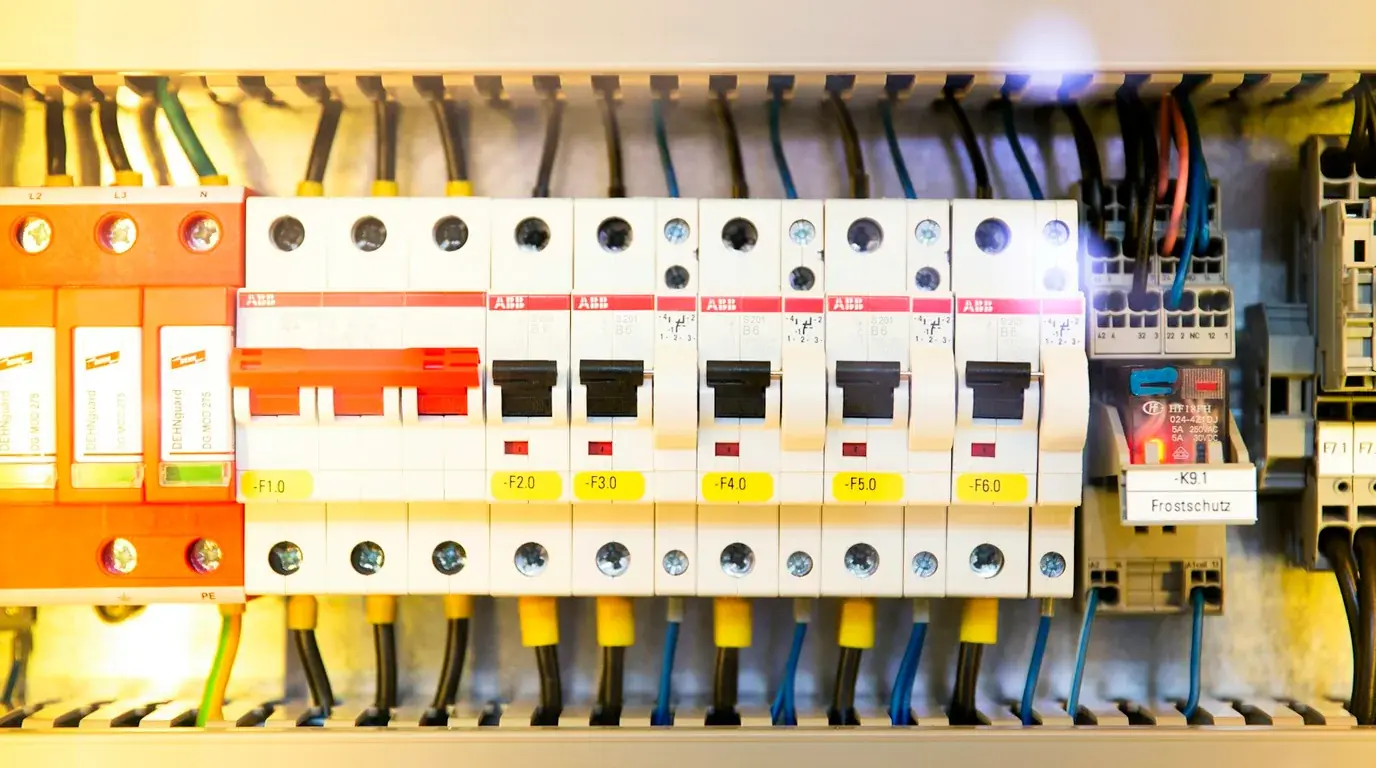
Code-Compliant Electrical Repair in Cascade Locks
Flickering overhead fixtures, warm receptacle switchplates, or breakers that trip under everyday appliance loads reveal hidden electrical stress inside residential wiring systems in Cascade Locks. Concealed conductors inside wall cavities endure continuous heating cycles that cause copper terminations to loosen and oxidize over decades of service. Addressing underlying electrical faults restores stable voltage delivery while protecting interior wall framing, electronics, and utility equipment from dangerous arc faults.
Diagnosing electrical malfunctions requires calculating aggregate household amperage draw, checking neutral-to-ground bond integrity, and testing branch conductor insulation resistance across properties in Cascade Locks. Undersized service panels struggle to manage modern loads like central air conditioners, electric ranges, and high-draw kitchen circuits simultaneously. Upgrading aging panelboards with dual-function AFCI and GFCI protection prevents catastrophic arc tracking and ensures dependable power across every branch circuit.
Every completed electrical service call throughout Cascade Locks includes comprehensive circuit testing, torque verification on breaker lugs, and grounding electrode impedance measurements. Technicians identify hidden thermal hot spots with digital multimeters and infrared imaging, confirming your electrical distribution infrastructure operates safely and complies with National Electrical Code standards.
Electrical Repair & Troubleshooting Services in Cascade Locks
- Electrical Panel Upgrade & Replacement: Comprehensive main breaker panel upgrades, 100-amp to 200-amp service modernization, whole-home surge protection, and obsolete fuse box replacements.
- Emergency Electrical Repair Services: Urgent diagnostic troubleshooting and repairs for sparking outlets, burning electrical odors, tripped main breakers, and sudden power outages.
- Circuit Breaker & Wiring Repair: Targeted troubleshooting and repairs for tripping circuit breakers, deteriorated branch wiring, aluminum wire remediation, and dead receptacles.
- EV Charger Installation Services: Safe, code-compliant Level 2 electric vehicle charger installation, dedicated 240-volt branch circuits, NEMA 14-50 outlets, and hardwired charging stations.
- Lighting & Outlet Installation Services: Complete interior and exterior lighting installation, recessed LED retrofits, code-compliant GFCI/AFCI safety outlets, and ceiling fan wiring.
- Commercial Electrical Services: Complete commercial electrical troubleshooting, three-phase power distribution, dedicated equipment lines, lighting retrofits, and code safety inspections.
Diagnostic & Repair Workflow
Upgrading your electrical infrastructure involves a systematic diagnostic process designed to minimize household disruption across Cascade Locks. The electrical specialist evaluates connected appliance demand, measures line-to-line voltage, and inspects attic or crawlspace junction boxes to pinpoint the root cause of flickering lights or dead outlets.
On service day, the electrical crew disconnects obsolete or damaged wiring, runs new dedicated copper branch circuits where needed, and mounts modern AFCI/GFCI breakers into the panelboard. After testing each circuit under full operational load and verifying earth ground continuity, technicians review the completed work with you.
What Cascade Locks Property Owners Say
"Old knob-and-tube wiring running across our attic floorboards made contractors refuse to blow in modern attic insulation. This team decommissioned the brittle cloth wiring safely, pulled modern Romex feeds to our upstairs light fixtures, and brought all bedroom branch circuits up to code."
"Overhead service drop wires were sagging dangerously close to our driveway after heavy winter ice accumulation. The crew installed a rigid galvanized steel service mast with structural framing brackets, raised the weatherhead clearance to twelve feet, and re-secured the utility line securely."
"Bathroom GFCI outlets kept popping open every time the hair dryer was turned on, even with no other appliances running. The specialist tested ground leakage with a digital multimeter, discovered an upstream junction box with moisture-compromised wire splices, and installed weather-resistant GFCI protection."
Electrical Repair Service Area: Cascade Locks, OR
Electrical FAQs in Cascade Locks
Nearby Electrical Repair Service in Hood River County
Restore Safe, Reliable Electrical Power in Cascade Locks
Flickering circuits and loose terminal screws quickly escalate into severe fire hazards if left unaddressed. Speak with our technical dispatchers for circuit troubleshooting advice and itemized diagnostic pricing.