Circuit Breaker & Wiring Repair
Targeted troubleshooting and repairs for tripping circuit breakers, deteriorated branch wiring, aluminum wire remediation, and dead receptacles.
Electrical Service Overview
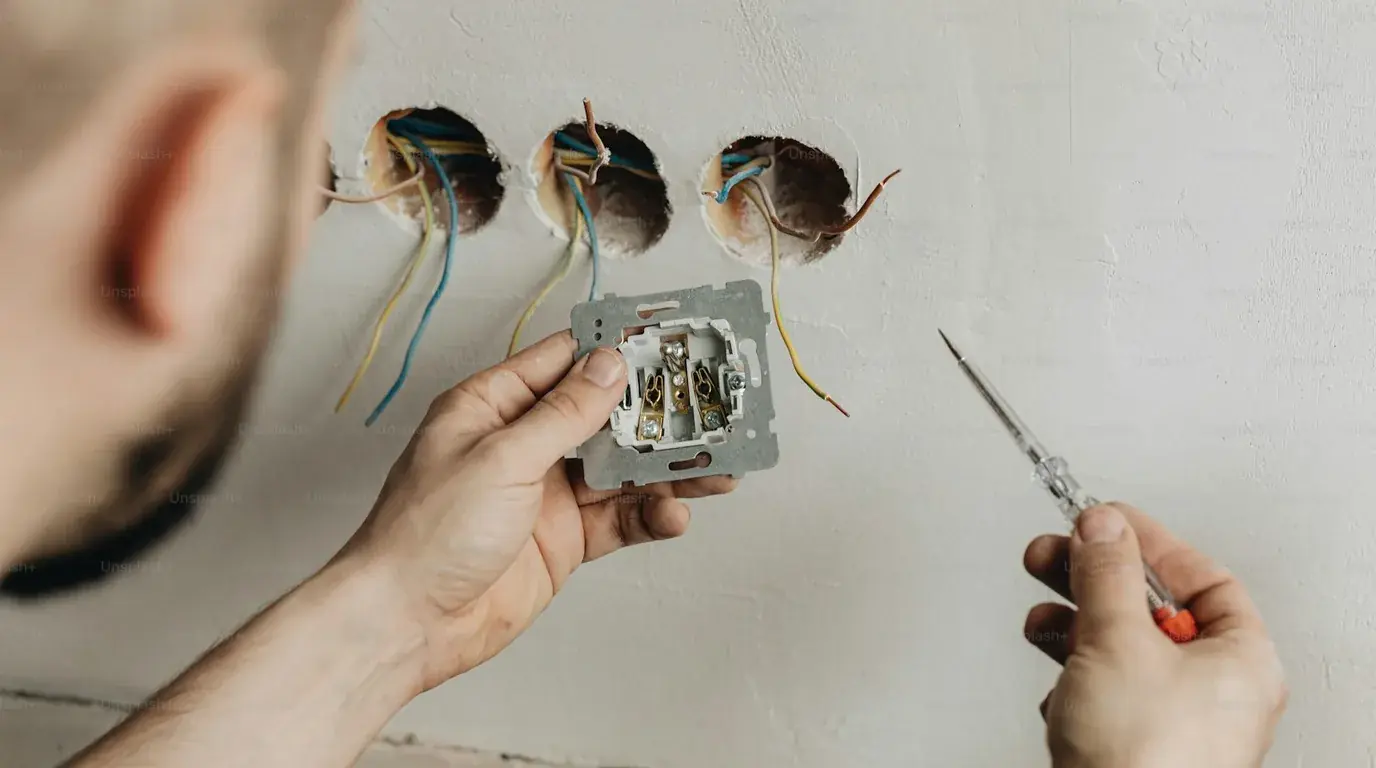
Aging branch wiring, loose terminal connections, and degraded circuit breaker mechanisms create persistent power delivery issues and hidden fire risks throughout residential structures. Professional circuit breaker and wiring repair restores electrical integrity by addressing root causes rather than temporary symptoms. Technicians utilize digital multimeters, megohmmeters, and circuit tracers to isolate ground faults, open neutral conductors, and short circuits within walls, ceilings, and crawlspaces. Repair services range from replacing fatigued circuit breakers and securing loose junction splices to whole-home aluminum wire remediation using code-approved AlumiConn connectors. Every repair adheres to strict National Electrical Code guidelines, ensuring branch conductors deliver reliable voltage without thermal stress.
Signs You Need Electrical Troubleshooting or Repair
- Observed Symptom: Specific circuit breaker trips frequently when running normal household electronics.
- Observed Symptom: Multiple wall receptacles in a room go dead while the breaker appears closed.
- Observed Symptom: Aluminum wiring terminations show signs of oxidation or cause switchplates to warm.
- Observed Symptom: Breaker toggle handle feels spongy, loose, or fails to click securely into position.
- Observed Symptom: Two-prong ungrounded receptacles prevent safe operation of modern three-prong cords.
Diagnostic Steps & Technical Protocols
- Engineering Protocol: Precision short circuit and open neutral fault location using advanced digital tracers.
- Engineering Protocol: Replacement of worn, fatigued, or defective circuit breakers with authentic parts.
- Engineering Protocol: Code-compliant aluminum branch wiring remediation using torque-calibrated AlumiConn lugs.
- Engineering Protocol: Rewiring of damaged, chewed, or deteriorated cloth-insulated Romex cables.
- Engineering Protocol: Conversion of ungrounded circuits to code-compliant GFCI-protected three-prong outlets.
Need Professional Circuit Breaker & Wiring Repair?
Electrical coordinators review your panel setup, evaluate circuit symptoms, and arrange targeted diagnostic troubleshooting.
Call Dispatch: 877-893-0481Frequently Asked Questions: Circuit Breaker & Wiring Repair
Schedule Electrical Repair Today
Do not ignore flickering branch circuits or humming panels that risk catastrophic equipment damage. Contact our dispatchers for clear pricing and scheduled diagnostic evaluation.