EV Charger Installation Services
Safe, code-compliant Level 2 electric vehicle charger installation, dedicated 240-volt branch circuits, NEMA 14-50 outlets, and hardwired charging stations.
Electrical Service Overview
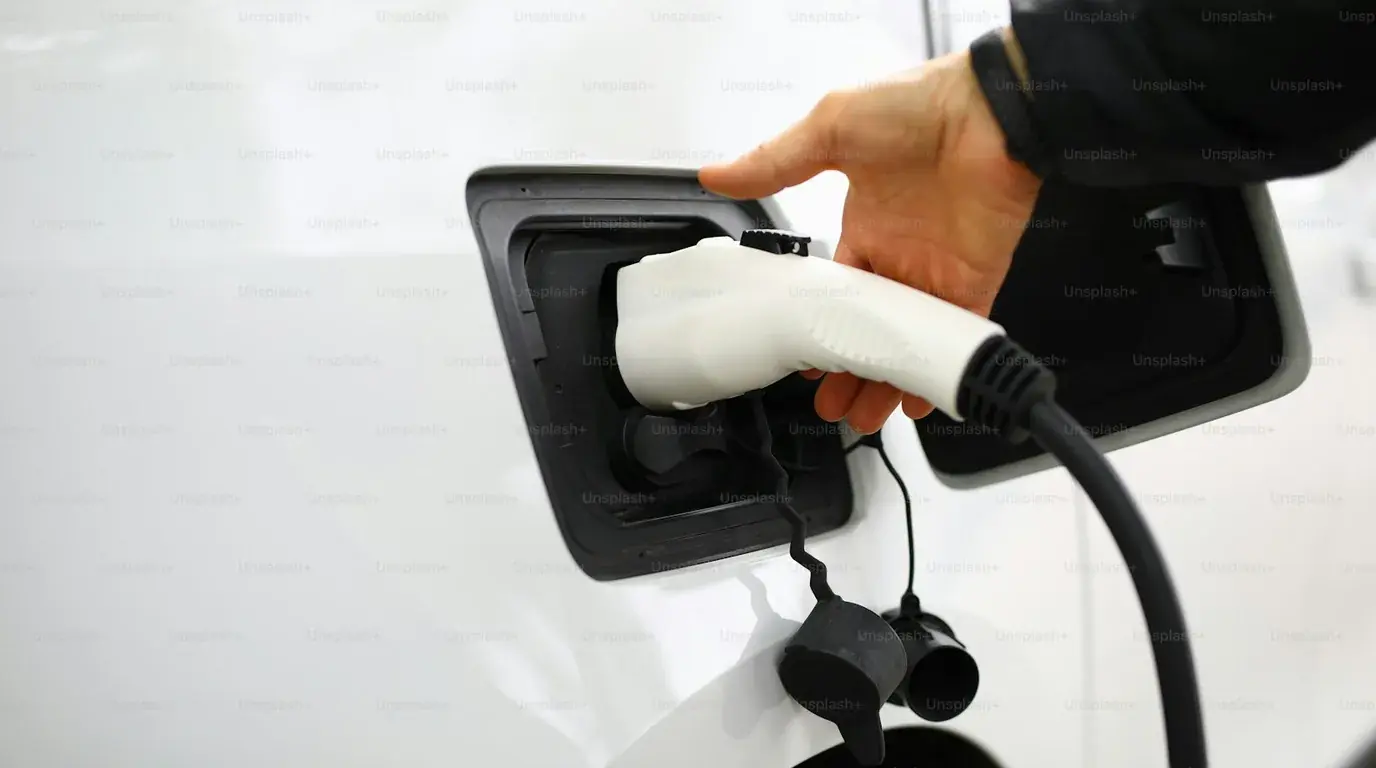
Charging an electric vehicle overnight requires substantial electrical capacity that standard 120-volt household outlets cannot deliver efficiently. Upgrading to a dedicated Level 2 home charging station slashes charging times from twenty-four hours down to four to eight hours. Proper EV charger installation demands careful electrical engineering. Technicians perform comprehensive National Electrical Code Article 220 load calculations to verify whether your existing electrical panelboard can handle the sustained 32-amp to 48-amp continuous draw. Installations incorporate heavy-duty copper conductors, dedicated double-pole circuit breakers, industrial-grade NEMA 14-50 receptacles or hardwired wall connectors, and GFCI breaker protection. Every installation is pressure-tested for voltage drop and commissioned to manufacturer charging protocols.
Signs You Need Electrical Troubleshooting or Repair
- Observed Symptom: Level 1 charging on standard 120-volt wall outlets takes over twenty-four hours to charge.
- Observed Symptom: Existing garage outlet feels excessively hot or trips breaker during continuous EV charging.
- Observed Symptom: Main electrical panel lacks open breaker spaces for a dedicated double-pole 240V circuit.
- Observed Symptom: New electric vehicle purchase requires a manufacturer-specified 48-amp hardwired wall unit.
- Observed Symptom: Household desires scheduled overnight off-peak charging to reduce monthly electric utility bills.
Diagnostic Steps & Technical Protocols
- Engineering Protocol: Comprehensive panelboard load calculation confirming safe reserve electrical capacity.
- Engineering Protocol: Dedicated 240-volt double-pole branch circuit installation rated from 40 to 60 amps.
- Engineering Protocol: Installation of industrial-grade heavy-duty NEMA 14-50 receptacles or hardwired chargers.
- Engineering Protocol: Heavy copper conductor pulls protected by rigid or intermediate metal electrical conduit.
- Engineering Protocol: Complete commissioning, Wi-Fi connectivity setup, and municipal electrical permit sign-off.
Need Professional EV Charger Installation Services?
Electrical coordinators review your panel setup, evaluate circuit symptoms, and arrange targeted diagnostic troubleshooting.
Call Dispatch: 877-893-0481Frequently Asked Questions: EV Charger Installation Services
Schedule Electrical Repair Today
Do not ignore flickering branch circuits or humming panels that risk catastrophic equipment damage. Contact our dispatchers for clear pricing and scheduled diagnostic evaluation.