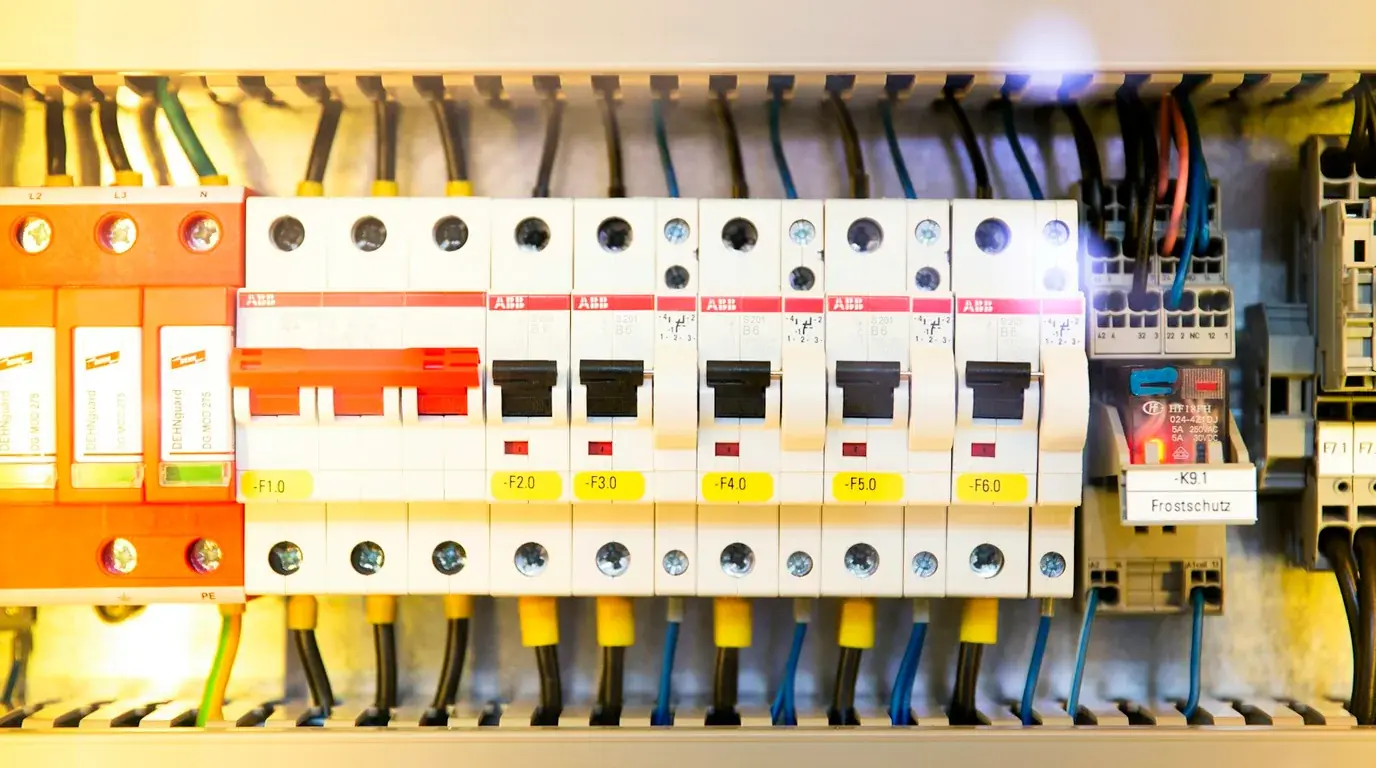
Buzzing breaker panels, intermittent receptacle power, or scorched outlet faces signal hazardous arcing that demands urgent professional diagnosis in Oregon. Over years of seasonal temperature swings and heavy heating or cooling cycles, mechanical wire splices expand, contract, and vibrate loose from terminal screws. Resolving loose connections eliminates dangerous electrical arcing, restores continuous power flow, and protects your entire property from wiring failures.
Modernizing obsolete electrical panels or cloth-insulated branch circuits delivers immediate safety advantages for residential and commercial structures in Oregon. Outdated fuse boxes and split-bus panels manufactured by brands like Federal Pacific or Zinsco fail to disconnect power during direct short circuits. Installing modern distribution panels equipped with whole-home surge protective devices shields sensitive microprocessors in appliances from destructive grid transients and lightning surges.
Electrical repair protocols across Oregon prioritize complete homeowner protection, including dedicated appliance circuits, code-mandated ground fault protection, and robust physical grounding rods driven into earth. Upfront itemized estimates and thorough voltage drop testing ensure property owners receive dependable, uninterrupted electrical service backed by rigorous diagnostic workmanship.
Statewide Electrical Repair & Troubleshooting Services in Oregon
Electrical Panel Upgrade & Replacement: Comprehensive main breaker panel upgrades, 100-amp to 200-amp service modernization, whole-home surge protection, and obsolete fuse box replacements.
Emergency Electrical Repair Services: Urgent diagnostic troubleshooting and repairs for sparking outlets, burning electrical odors, tripped main breakers, and sudden power outages.
Circuit Breaker & Wiring Repair: Targeted troubleshooting and repairs for tripping circuit breakers, deteriorated branch wiring, aluminum wire remediation, and dead receptacles.
EV Charger Installation Services: Safe, code-compliant Level 2 electric vehicle charger installation, dedicated 240-volt branch circuits, NEMA 14-50 outlets, and hardwired charging stations.
Lighting & Outlet Installation Services: Complete interior and exterior lighting installation, recessed LED retrofits, code-compliant GFCI/AFCI safety outlets, and ceiling fan wiring.
Commercial Electrical Services: Complete commercial electrical troubleshooting, three-phase power distribution, dedicated equipment lines, lighting retrofits, and code safety inspections.
Diagnostic & Repair Workflow
Upgrading your electrical infrastructure involves a systematic diagnostic process designed to minimize household disruption across Oregon. The electrical specialist evaluates connected appliance demand, measures line-to-line voltage, and inspects attic or crawlspace junction boxes to pinpoint the root cause of flickering lights or dead outlets.
On service day, the electrical crew disconnects obsolete or damaged wiring, runs new dedicated copper branch circuits where needed, and mounts modern AFCI/GFCI breakers into the panelboard. After testing each circuit under full operational load and verifying earth ground continuity, technicians review the completed work with you.
Equipment diagnostics & breaker replacements for leading electrical manufacturers across Oregon:
"Our retail boutique in Oregon needed high-efficiency commercial track lighting to illuminate merchandise displays without raising store temperatures. The electrical contractor calculated transformer loads, retrofitted our track heads to dimmable commercial LED fixtures, and lowered our monthly electric bill significantly."
"Lightning striking nearby during a severe summer storm fried our microwave circuit board and knocked out our hallway switches. The electrician installed a whole-home Type 2 surge protector directly onto our main panelboard to protect our sensitive smart appliances from future grid spikes."
"Sparking behind our master bedroom outlet started emitting a faint burning odor late on a stormy evening. The electrician traced a loose neutral wire inside the gang box, trimmed the charred copper conductors, and secured a commercial-grade receptacle with solid mechanical screw terminals."
Electrical Repair Service Areas in Oregon
Experienced electrical specialists provide code-compliant wiring repair to communities throughout Oregon:
Landscape lighting transformers step 120-volt line power down to 12 or 15 volts, but exceeding the transformer's total wattage rating or running undersized low-voltage cable causes severe voltage drop and excessive heat. Buried landscape cable nicked by garden spades or corroded direct-burial splice connectors can also introduce moisture-induced ground faults. Technicians calculate total fixture wattage, adjust secondary tap voltages to compensate for cable length, and install waterproof silicone-filled wire nuts to protect outdoor circuits.
High-draw stationary appliances demand dedicated branch circuits to prevent nuisance tripping and protect distribution wiring from thermal overload. Code mandates individual dedicated circuits for electric ranges (50-amp), central air conditioners, electric clothes dryers (30-amp), electric vehicle chargers, heat pump compressors, microwaves, dishwashers, and food waste disposers. Sharing these appliance circuits with general lighting or living room wall receptacles causes chronic breaker tripping and risks conductor degradation inside enclosed framing cavities across homes in Oregon.
A main breaker rated at 100 or 200 amps trips only under extreme aggregate electrical demand or a severe catastrophic short circuit at the main busbar level. Operating an electric range, clothes dryer, central AC compressor, and EV charger simultaneously on an undersized 100-amp electrical service can exceed the main thermal threshold. Alternatively, moisture infiltration or pest intrusion behind the main breaker can cause phase-to-phase arcing. Following a main trip, switch off individual branch breakers before attempting a single manual reset, and call 877-893-0481 for immediate diagnostic evaluation should it trip a second time.
Subpanels require strict separation between neutral and equipment grounding conductors to prevent hazardous circulating currents on metal frames. Unlike a main service panel where neutral and ground conductors bond to the same metal enclosure, a subpanel must have an isolated floating neutral busbar and a dedicated grounding bar bonded to the panel chassis. For detached outbuildings, technicians install two dedicated ground rods, run a four-wire feeder (two hots, one neutral, one ground), and verify complete neutral isolation before energizing equipment.
Mild 60-hertz magnetic vibration from transformer coils can be normal, but pronounced buzzing or sizzling sounds indicate a deteriorating circuit breaker or a loose bus connection. Once a breaker clamp loses its mechanical spring tension on the silver-plated copper busbar, high-current resistance generates an electric micro-arc that buzzes loudly under load. Left unaddressed, the busbar surface pits and vaporizes, destroying that panel section. Technicians measure circuit amp draws with clamp meters and evaluate busbar surface temperature using infrared thermal imaging cameras.
Schedule Electrical Repair in OR
Contact our electrical dispatch desk to review circuit troubleshooting options or schedule an on-site diagnostic estimate.
Aging breaker panels and loose wire terminations create severe fire hazards if left unaddressed. Connect with our technical dispatch desk for expert diagnostic assistance and transparent, itemized repair estimates.