Electrical Repair in Trainer, PA
Tripping circuit breakers, humming electrical panels, or dead room outlets indicate underlying resistance faults that require methodical diagnostic evaluation. Experienced electricians troubleshoot wiring issues, upgrade overloaded panels, and restore safe power across Trainer.
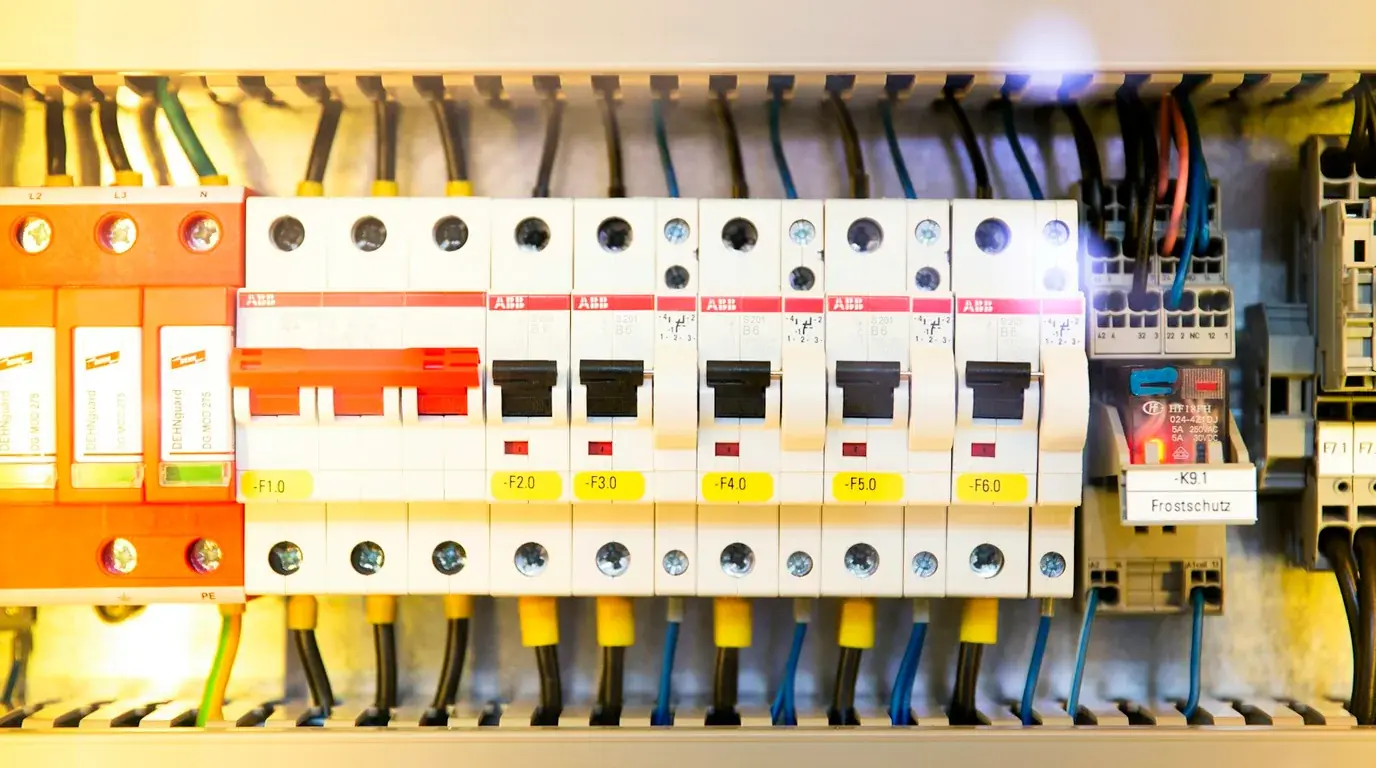
Code-Compliant Electrical Repair in Trainer
Dimming table lamps, discolored wall switchplates, and weak voltage at distant garage outlets point to deteriorated branch wiring that warrants evaluation in Trainer. Obsolete knob-and-tube or ungrounded two-wire circuits waste electrical energy through resistive heat dissipation and leave valuable computer equipment unprotected against voltage spikes. Upgrading to grounded copper non-metallic sheathed cable lowers fire risks while ensuring steady alternating current at every receptacle.
Evaluating whether a property needs localized circuit repair or a full panelboard replacement depends on existing electrical infrastructure in Trainer. Homes built prior to 1975 frequently harbor branch aluminum wiring that requires specialized torque-calibrated AlumiConn mechanical pigtails to prevent oxidation and terminal overheating. Technicians inspect the main service enclosure to identify unbonded neutrals, pitted busbars, and double-tapped breakers before recommending targeted solutions.
Rigorous diagnostic standards in Trainer incorporate whole-house surge suppression, dedicated 20-amp small appliance branch circuits, and exterior weather-resistant in-use outlet covers. Property owners achieve total confidence knowing their electrical service is thoroughly tested, properly grounded, and engineered for long-term household safety.
Electrical Repair & Troubleshooting Services in Trainer
- Electrical Panel Upgrade & Replacement: Comprehensive main breaker panel upgrades, 100-amp to 200-amp service modernization, whole-home surge protection, and obsolete fuse box replacements.
- Emergency Electrical Repair Services: Urgent diagnostic troubleshooting and repairs for sparking outlets, burning electrical odors, tripped main breakers, and sudden power outages.
- Circuit Breaker & Wiring Repair: Targeted troubleshooting and repairs for tripping circuit breakers, deteriorated branch wiring, aluminum wire remediation, and dead receptacles.
- EV Charger Installation Services: Safe, code-compliant Level 2 electric vehicle charger installation, dedicated 240-volt branch circuits, NEMA 14-50 outlets, and hardwired charging stations.
- Lighting & Outlet Installation Services: Complete interior and exterior lighting installation, recessed LED retrofits, code-compliant GFCI/AFCI safety outlets, and ceiling fan wiring.
- Commercial Electrical Services: Complete commercial electrical troubleshooting, three-phase power distribution, dedicated equipment lines, lighting retrofits, and code safety inspections.
Diagnostic & Repair Workflow
Arranging electrical repair begins with an intake conversation where our dispatch staff records your electrical symptoms, panel manufacturer, and affected home circuits in Trainer. An electrical technician arrives at your property to inspect panelboard clearances, measure incoming voltage stability, and review circuit troubleshooting or panel upgrade options tailored to your home layout.
Before hands-on repairs begin, you receive an itemized proposal detailing testing results, replacement hardware specifications, and clear labor costs. The technician isolates circuit power safely at the main service disconnect, replaces damaged conductors or faulty circuit breakers, and performs comprehensive continuity and load tests before re-energizing your electrical system.
What Trainer Property Owners Say
"Old knob-and-tube wiring running across our attic floorboards made contractors refuse to blow in modern attic insulation. This team decommissioned the brittle cloth wiring safely, pulled modern Romex feeds to our upstairs light fixtures, and brought all bedroom branch circuits up to code."
"Lightning striking nearby during a severe summer storm fried our microwave circuit board and knocked out our hallway switches. The electrician installed a whole-home Type 2 surge protector directly onto our main panelboard to protect our sensitive smart appliances from future grid spikes."
"Ceiling fan installation in our high-vaulted living room required replacing a flimsy plastic junction box with a fan-rated steel saddle box. The electrician secured the bracket directly to structural roof framing, balanced the fan blades with weighted clips, and eliminated all high-speed wobbling."
Electrical Repair Service Area: Trainer, PA
Electrical FAQs in Trainer
Nearby Electrical Repair Service in Delaware County
Restore Safe, Reliable Electrical Power in Trainer
Flickering circuits and loose terminal screws quickly escalate into severe fire hazards if left unaddressed. Speak with our technical dispatchers for circuit troubleshooting advice and itemized diagnostic pricing.