Electrical Repair in State College, PA
Tripping circuit breakers, humming electrical panels, or dead room outlets indicate underlying resistance faults that require methodical diagnostic evaluation. Experienced electricians troubleshoot wiring issues, upgrade overloaded panels, and restore safe power across State College.
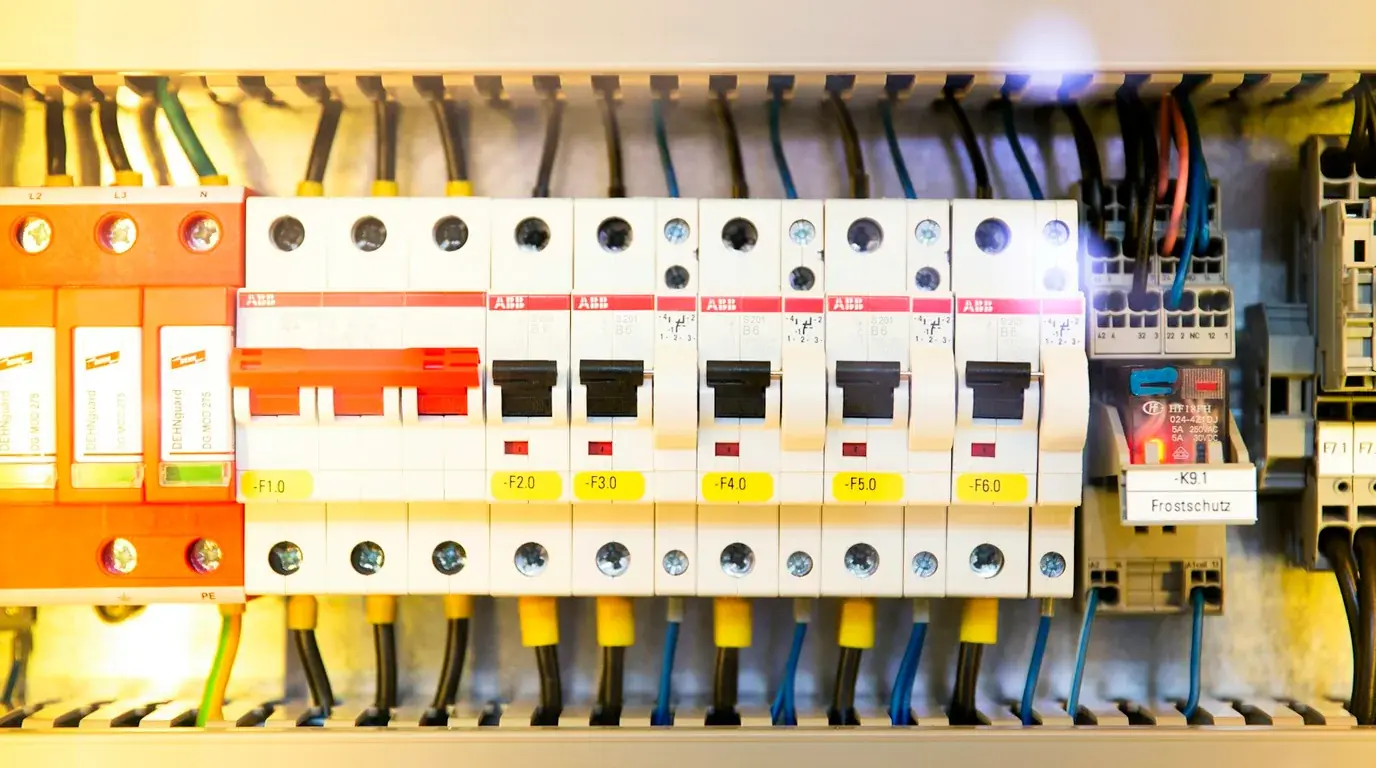
Troubleshooting & Electrical Repair in State College
Expanding modern household electrical demands provides property owners across State College an opportunity to upgrade outdated 100-amp service entrances to robust 200-amp capacity. Traditional panels designed decades ago lack the physical busbar capacity and circuit slots needed for high-draw modern technology like Level 2 electric vehicle chargers and heat pump systems. Upgrading electrical service clears away overloaded tandem breakers, provides dedicated circuits, and establishes safe operating margins for growing families.
Technical requirements for heavy electrical service upgrades in State College involve replacing the utility service mast, upsizing rigid conduit, mounting larger meter bases, and installing copper service entrance cables. Specialists coordinate directly with local electric utility companies to coordinate service disconnects and meter re-sealing. Installers calculate total connected amperage demand using National Electrical Code standards to balance circuit distribution across both 120-volt phases.
Dedicated multi-wire branch protections, isolated subpanel neutral bars, and tamper-resistant safety receptacles are integrated into every modern setup in State College. Property owners gain peace of mind knowing their electrical distribution system delivers clean, continuous voltage capable of supporting modern high-demand lifestyle appliances safely.
Electrical Repair & Troubleshooting Services in State College
- Electrical Panel Upgrade & Replacement: Comprehensive main breaker panel upgrades, 100-amp to 200-amp service modernization, whole-home surge protection, and obsolete fuse box replacements.
- Emergency Electrical Repair Services: Urgent diagnostic troubleshooting and repairs for sparking outlets, burning electrical odors, tripped main breakers, and sudden power outages.
- Circuit Breaker & Wiring Repair: Targeted troubleshooting and repairs for tripping circuit breakers, deteriorated branch wiring, aluminum wire remediation, and dead receptacles.
- EV Charger Installation Services: Safe, code-compliant Level 2 electric vehicle charger installation, dedicated 240-volt branch circuits, NEMA 14-50 outlets, and hardwired charging stations.
- Lighting & Outlet Installation Services: Complete interior and exterior lighting installation, recessed LED retrofits, code-compliant GFCI/AFCI safety outlets, and ceiling fan wiring.
- Commercial Electrical Services: Complete commercial electrical troubleshooting, three-phase power distribution, dedicated equipment lines, lighting retrofits, and code safety inspections.
Diagnostic & Repair Workflow
Upgrading your electrical infrastructure involves a systematic diagnostic process designed to minimize household disruption across State College. The electrical specialist evaluates connected appliance demand, measures line-to-line voltage, and inspects attic or crawlspace junction boxes to pinpoint the root cause of flickering lights or dead outlets.
On service day, the electrical crew disconnects obsolete or damaged wiring, runs new dedicated copper branch circuits where needed, and mounts modern AFCI/GFCI breakers into the panelboard. After testing each circuit under full operational load and verifying earth ground continuity, technicians review the completed work with you.
What State College Property Owners Say
"Adding a dedicated 100-amp subpanel to our detached woodworking shop allowed us to run dust collection and table saws simultaneously without dimming house lights. The installer trenched PVC conduit below the frost line, pulled four individual copper conductors, and isolated the floating subpanel neutral."
"Old knob-and-tube wiring running across our attic floorboards made contractors refuse to blow in modern attic insulation. This team decommissioned the brittle cloth wiring safely, pulled modern Romex feeds to our upstairs light fixtures, and brought all bedroom branch circuits up to code."
"Loud arcing inside our breaker panel sounded like popping popcorn whenever our central air conditioner started up. The technician pulled the dead-front cover, pointed out severe busbar pitting under an undersized 30-amp breaker, cleaned the bus, and relocated the breaker to an unblemished slot."
Electrical Repair Service Area: State College, PA
Electrical FAQs in State College
Nearby Electrical Repair Service in Centre County
Restore Safe, Reliable Electrical Power in State College
Flickering circuits and loose terminal screws quickly escalate into severe fire hazards if left unaddressed. Speak with our technical dispatchers for circuit troubleshooting advice and itemized diagnostic pricing.