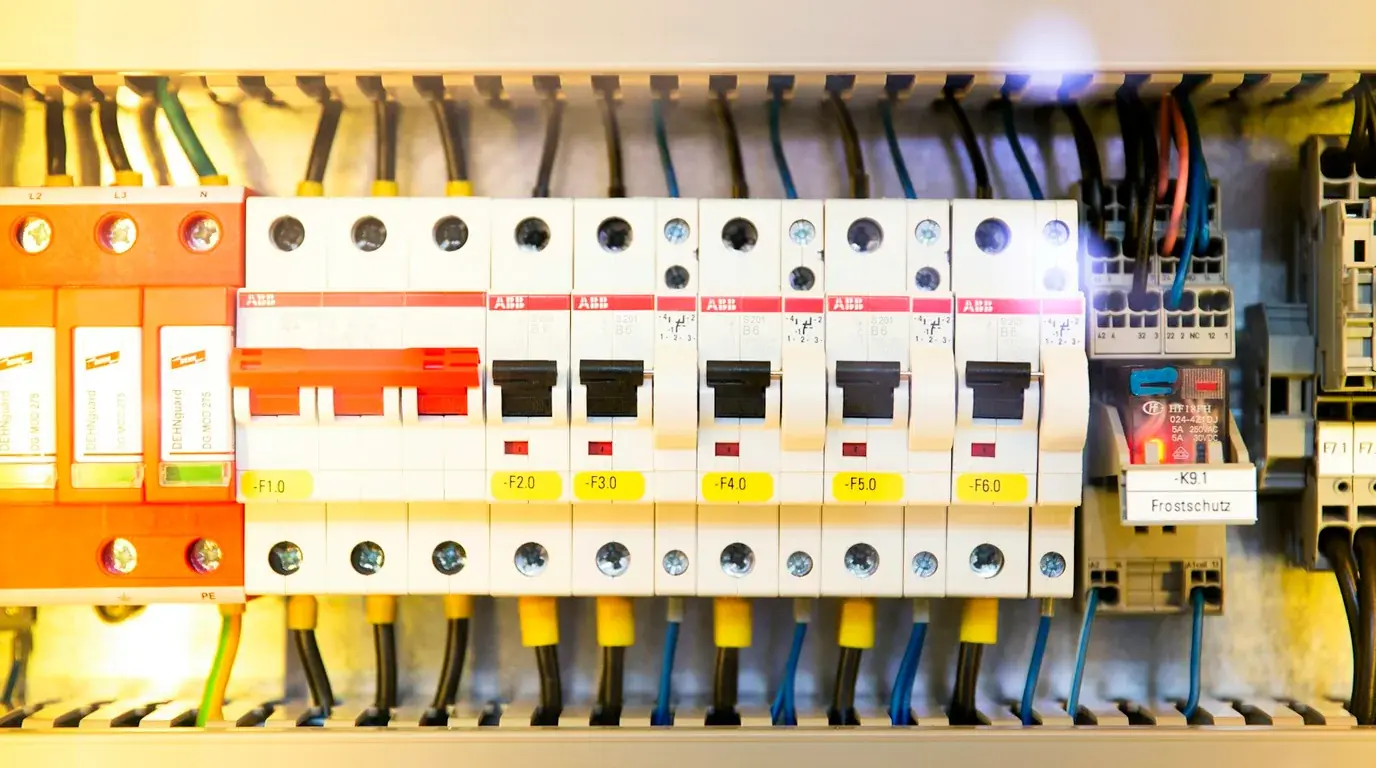
Comprehensive Electrical Repair Services in Minnesota
Expanding modern household electrical demands provides property owners across Minnesota an opportunity to upgrade outdated 100-amp service entrances to robust 200-amp capacity. Traditional panels designed decades ago lack the physical busbar capacity and circuit slots needed for high-draw modern technology like Level 2 electric vehicle chargers and heat pump systems. Upgrading electrical service clears away overloaded tandem breakers, provides dedicated circuits, and establishes safe operating margins for growing families.
Technical requirements for heavy electrical service upgrades in Minnesota involve replacing the utility service mast, upsizing rigid conduit, mounting larger meter bases, and installing copper service entrance cables. Specialists coordinate directly with local electric utility companies to coordinate service disconnects and meter re-sealing. Installers calculate total connected amperage demand using National Electrical Code standards to balance circuit distribution across both 120-volt phases.
Dedicated multi-wire branch protections, isolated subpanel neutral bars, and tamper-resistant safety receptacles are integrated into every modern setup in Minnesota. Property owners gain peace of mind knowing their electrical distribution system delivers clean, continuous voltage capable of supporting modern high-demand lifestyle appliances safely.
Statewide Electrical Repair & Troubleshooting Services in Minnesota
Electrical Panel Upgrade & Replacement: Comprehensive main breaker panel upgrades, 100-amp to 200-amp service modernization, whole-home surge protection, and obsolete fuse box replacements.
Emergency Electrical Repair Services: Urgent diagnostic troubleshooting and repairs for sparking outlets, burning electrical odors, tripped main breakers, and sudden power outages.
Circuit Breaker & Wiring Repair: Targeted troubleshooting and repairs for tripping circuit breakers, deteriorated branch wiring, aluminum wire remediation, and dead receptacles.
EV Charger Installation Services: Safe, code-compliant Level 2 electric vehicle charger installation, dedicated 240-volt branch circuits, NEMA 14-50 outlets, and hardwired charging stations.
Lighting & Outlet Installation Services: Complete interior and exterior lighting installation, recessed LED retrofits, code-compliant GFCI/AFCI safety outlets, and ceiling fan wiring.
Commercial Electrical Services: Complete commercial electrical troubleshooting, three-phase power distribution, dedicated equipment lines, lighting retrofits, and code safety inspections.
Diagnostic & Repair Workflow
Upgrading your electrical infrastructure involves a systematic diagnostic process designed to minimize household disruption across Minnesota. The electrical specialist evaluates connected appliance demand, measures line-to-line voltage, and inspects attic or crawlspace junction boxes to pinpoint the root cause of flickering lights or dead outlets.
On service day, the electrical crew disconnects obsolete or damaged wiring, runs new dedicated copper branch circuits where needed, and mounts modern AFCI/GFCI breakers into the panelboard. After testing each circuit under full operational load and verifying earth ground continuity, technicians review the completed work with you.
Equipment diagnostics & breaker replacements for leading electrical manufacturers across Minnesota:
"Sparking behind our master bedroom outlet started emitting a faint burning odor late on a stormy evening. The electrician traced a loose neutral wire inside the gang box, trimmed the charred copper conductors, and secured a commercial-grade receptacle with solid mechanical screw terminals."
"Remodeling our kitchen required adding dedicated 20-amp small appliance branch circuits and under-cabinet LED task lighting. The electricians mapped the runs neatly through the open wall framing, installed tamper-resistant countertop receptacles, and passed our rough-in municipal inspection without a single correction in Minnesota."
"Dead receptacles across two adjoining bedrooms baffled me because no breaker appeared tripped in the garage panel. The technician tested the circuit with an inductive toner, uncovered a failed push-in backstab connection in an upstream outlet, and pigtailed the run securely with lineman twists."
Electrical Repair Service Areas in Minnesota
Experienced electrical specialists provide code-compliant wiring repair to communities throughout Minnesota:
Residential branch circuits are daisy-chained from one junction box to the next, meaning power flows through multiple outlets sequentially. A loose wire nut or a failed push-in backstab connection in an upstream outlet breaks the electrical path for every downstream receptacle on that line. The circuit breaker stays closed because no high-amperage short circuit occurred—only an open circuit. Technicians trace the run using circuit toners and multimeters, opening each box along the circuit path to repair broken splices with solid lineman twists and secure wire connectors.
Panels manufactured between the 1950s and 1980s by companies such as Federal Pacific Electric (FPE Stab-Lok) and Zinsco have documented failure rates where breakers refuse to trip during severe overcurrent faults. Un-tripped breakers allow branch conductors to overheat inside structural wall cavities without cutting power. Warning signs include scorched breaker casings, melted busbar fingers, or breakers that feel loose on the rail. During an inspection in Minnesota, technicians remove the panel dead-front cover to inspect for busbar pitting, metal discoloration, and unbonded neutral bars before recommending a modern panel replacement.
Loose terminal screws or worn spring contacts inside the receptacle body allow electrical arcing, which generates localized friction heat and audible vibration. Back-stabbed push-in connections installed in older residential builds are especially notorious for loosening under sustained plug loads like space heaters. Ignoring a warm outlet risks charring the thermoplastic faceplate and igniting surrounding wall insulation. An electrician will cut circuit power, extract the receptacle from the outlet box, measure conductor resistance with a multimeter, and pigtail new commercial-grade screw-terminal receptacles onto copper leads.
Instant tripping indicates a dead short circuit or ground fault rather than a gradual thermal overload. A short circuit happens upon direct contact between an ungrounded hot conductor and a neutral wire, a bare copper ground, or metal conduit, creating an immediate amperage surge that snaps the magnetic trip mechanism. Forcing the breaker handle into the "on" position while holding it down can melt internal trip springs and cause an arc flash. Technicians disconnect all loads on the circuit, perform insulation resistance testing, and trace junction boxes to pinpoint pinched or rodent-chewed Romex cables.
The greatest electrical hazards develop inside concealed junction boxes where loose wire nuts create high-resistance arcing connections, and in panels where breaker terminations were never torqued to manufacturer specifications. Overloaded multi-wire branch circuits sharing a single neutral wire can also overheat without tripping either individual single-pole breaker. Routine electrical inspections utilize calibrated thermal imaging guns to detect these hidden hot spots behind drywall and within panelboards before smoldering wires trigger structural fires.
Schedule Electrical Repair in MN
Contact our electrical dispatch desk to review circuit troubleshooting options or schedule an on-site diagnostic estimate.
Restore Safe, Reliable Electrical Power in Minnesota
Aging breaker panels and loose wire terminations create severe fire hazards if left unaddressed. Connect with our technical dispatch desk for expert diagnostic assistance and transparent, itemized repair estimates.