Electrical Repair in Littlejohn Island, ME
Tripping circuit breakers, humming electrical panels, or dead room outlets indicate underlying resistance faults that require methodical diagnostic evaluation. Experienced electricians troubleshoot wiring issues, upgrade overloaded panels, and restore safe power across Littlejohn Island.
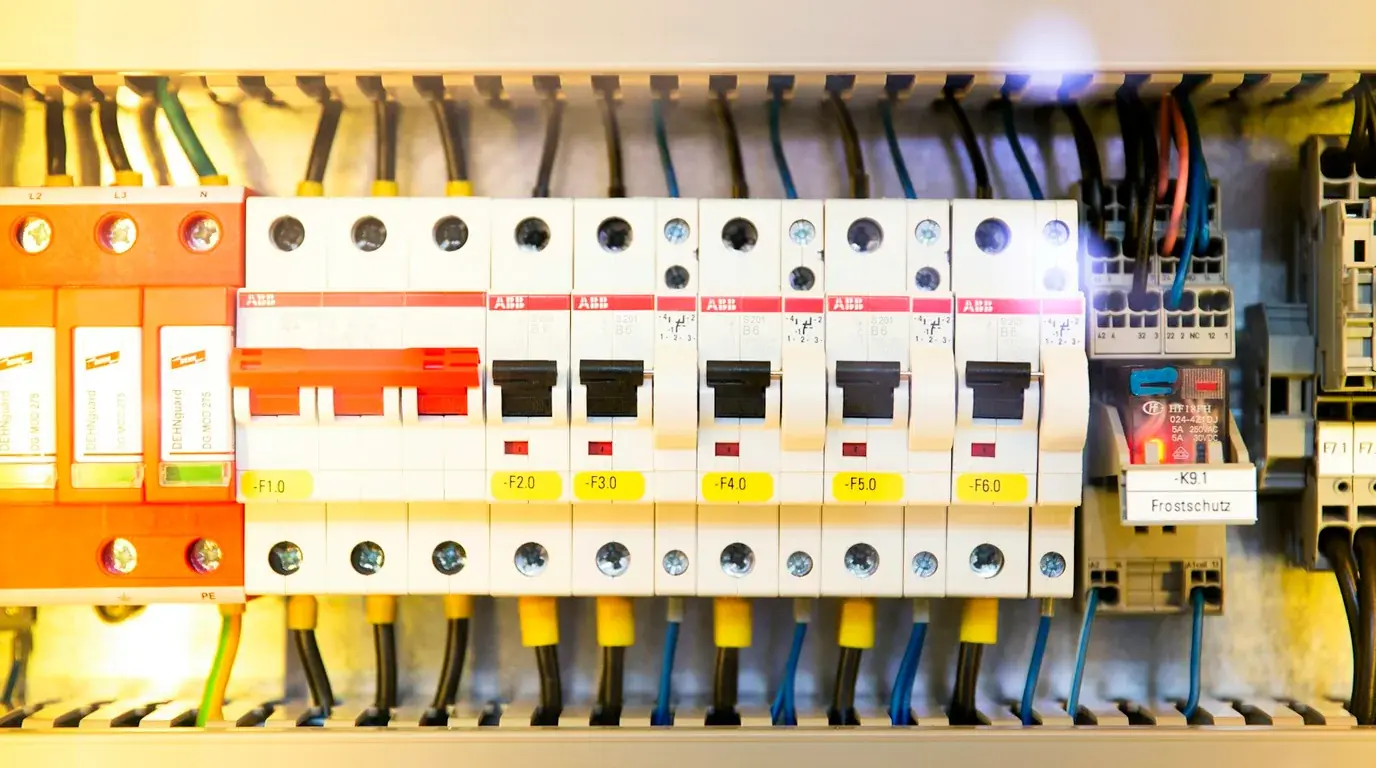
Code-Compliant Electrical Repair in Littlejohn Island
Buzzing breaker panels, intermittent receptacle power, or scorched outlet faces signal hazardous arcing that demands urgent professional diagnosis in Littlejohn Island. Over years of seasonal temperature swings and heavy heating or cooling cycles, mechanical wire splices expand, contract, and vibrate loose from terminal screws. Resolving loose connections eliminates dangerous electrical arcing, restores continuous power flow, and protects your entire property from wiring failures.
Modernizing obsolete electrical panels or cloth-insulated branch circuits delivers immediate safety advantages for residential and commercial structures in Littlejohn Island. Outdated fuse boxes and split-bus panels manufactured by brands like Federal Pacific or Zinsco fail to disconnect power during direct short circuits. Installing modern distribution panels equipped with whole-home surge protective devices shields sensitive microprocessors in appliances from destructive grid transients and lightning surges.
Electrical repair protocols across Littlejohn Island prioritize complete homeowner protection, including dedicated appliance circuits, code-mandated ground fault protection, and robust physical grounding rods driven into earth. Upfront itemized estimates and thorough voltage drop testing ensure property owners receive dependable, uninterrupted electrical service backed by rigorous diagnostic workmanship.
Electrical Repair & Troubleshooting Services in Littlejohn Island
- Electrical Panel Upgrade & Replacement: Comprehensive main breaker panel upgrades, 100-amp to 200-amp service modernization, whole-home surge protection, and obsolete fuse box replacements.
- Emergency Electrical Repair Services: Urgent diagnostic troubleshooting and repairs for sparking outlets, burning electrical odors, tripped main breakers, and sudden power outages.
- Circuit Breaker & Wiring Repair: Targeted troubleshooting and repairs for tripping circuit breakers, deteriorated branch wiring, aluminum wire remediation, and dead receptacles.
- EV Charger Installation Services: Safe, code-compliant Level 2 electric vehicle charger installation, dedicated 240-volt branch circuits, NEMA 14-50 outlets, and hardwired charging stations.
- Lighting & Outlet Installation Services: Complete interior and exterior lighting installation, recessed LED retrofits, code-compliant GFCI/AFCI safety outlets, and ceiling fan wiring.
- Commercial Electrical Services: Complete commercial electrical troubleshooting, three-phase power distribution, dedicated equipment lines, lighting retrofits, and code safety inspections.
Diagnostic & Repair Workflow
Upgrading your electrical infrastructure involves a systematic diagnostic process designed to minimize household disruption across Littlejohn Island. The electrical specialist evaluates connected appliance demand, measures line-to-line voltage, and inspects attic or crawlspace junction boxes to pinpoint the root cause of flickering lights or dead outlets.
On service day, the electrical crew disconnects obsolete or damaged wiring, runs new dedicated copper branch circuits where needed, and mounts modern AFCI/GFCI breakers into the panelboard. After testing each circuit under full operational load and verifying earth ground continuity, technicians review the completed work with you.
What Littlejohn Island Property Owners Say
"Remodeling our kitchen required adding dedicated 20-amp small appliance branch circuits and under-cabinet LED task lighting. The electricians mapped the runs neatly through the open wall framing, installed tamper-resistant countertop receptacles, and passed our rough-in municipal inspection without a single correction in Littlejohn Island."
"Old knob-and-tube wiring running across our attic floorboards made contractors refuse to blow in modern attic insulation. This team decommissioned the brittle cloth wiring safely, pulled modern Romex feeds to our upstairs light fixtures, and brought all bedroom branch circuits up to code."
"Buzzing noises echoing from our hallway dimmer switch became noticeably hot through the cover plate after fifteen minutes. The technician calculated that our track lighting exceeded the dimmer wattage rating, replaced the worn control with an LED-rated digital dimmer, and verified circuit continuity."
Electrical Repair Service Area: Littlejohn Island, ME
Electrical FAQs in Littlejohn Island
Nearby Electrical Repair Service in Cumberland County
Restore Safe, Reliable Electrical Power in Littlejohn Island
Flickering circuits and loose terminal screws quickly escalate into severe fire hazards if left unaddressed. Speak with our technical dispatchers for circuit troubleshooting advice and itemized diagnostic pricing.